
Cargo containers at a freight terminal with aircraft in the background

Freight and logistics

Configure freight service from proven workflows

iService gives you importable freight workflows and topic taxonomies for escalations, adjustments, quotes, and orders. Your team can adapt the forms, request types, queues, and routing rules to match your freight service operation.

Get the freight white paper

Freight case management and ownership

Every freight request stays assigned, connected to its order, routed to the right team, and visible to managers.

  1. Work in progress returns to the queue

    Work in progress returns to the queue when an agent logs out, so the next available agent can continue the work.

  2. Case details by shipment number

    Messages with the freight order number are matched to the open case, keeping communication history and context together.

  3. Skills-based routing for specialists

    Route each request to the correct team, department, or specialist by request type, cargo class, or escalation level.

  4. Real-time queue and assignment monitoring

    Managers see open cases, queue volume, and agent assignments while work moves through the operation.

Multiple freight cases moving between agents while retaining order context and assignment status

Import freight workflow configurations

A generic ticketing system makes your team define forms, request types, and routing rules before it can reflect freight work.

iService imports freight workflow configurations for shipment escalations, contractor adjustments, quote-to-order requests, and other common workflows. Message filtering reflects over a decade of experience routing and managing complex freight and logistics customer inquiries. Your team can change forms, topics, routing, contractor steps, payment steps, and delivery signatures for the operation you run.


Three freight workflow template cards for customer quote requests, escalations, and finance adjustments move from review into a blue workflow tray

Freight operations at production scale

A production record built through years of freight and logistics customer operations.

  • 15 years

    Supporting freight and logistics operations

    iService production database records
  • 50M+

    Freight and logistics interactions handled

    iService production database records
  • 99.99%

    Uptime across 13 years of independent monitoring

    Uptime across 13 years of independent monitoringWebsitePulse independent availability monitoring
  • 7 years

    Customer data archived for enterprise users

    iService production database records
  • v10

    Current iService product version

    iService production database records

iService production database records ยท WebsitePulse independent availability monitoring

Match new questions to existing cases by shipment number

New freight questions can create duplicate cases when they arrive in a new conversation.

The Find Parent filter and Find Case action use the shipment number to attach each new question to its existing case. Your team sees the complete shipment history in one place, avoids duplicate work, and iService automatically assigns the question to the agent managing that case.

Learn how filters and processing rules work

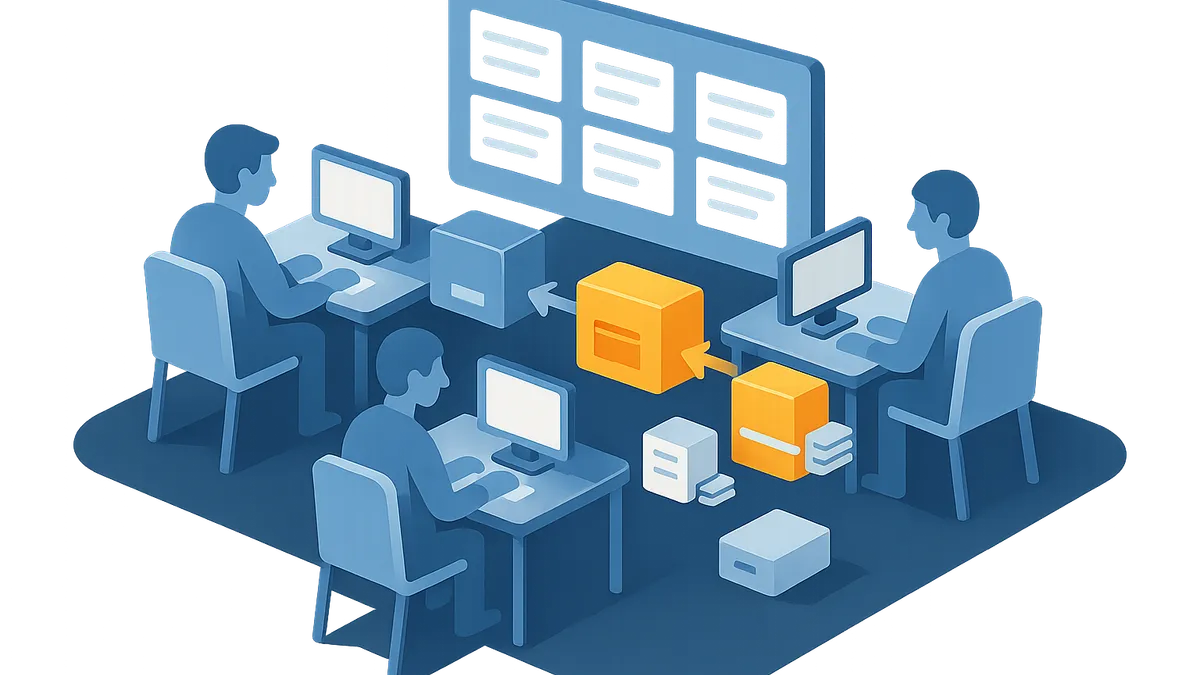
A freight exception passing through office and field handoffs while retaining context

Configured GPT case analysis

Agents need relevant shipment history, company policies, and operating procedures in one case-analysis workspace.

Agents start with an interaction search that pulls past cases and ranks them semantically to surface the most relevant history. They then launch a chat with full interaction details and metadata, grounded in company policies, operating procedures, and the iService OpenAI vector store. The GPT model uses the team prompt, reasoning rules, and token limits to identify next steps, unresolved issues, and priority freight cases.

A grounded GPT case analysis workspace using shipment history and company procedures

Tailored workflows for freight operations

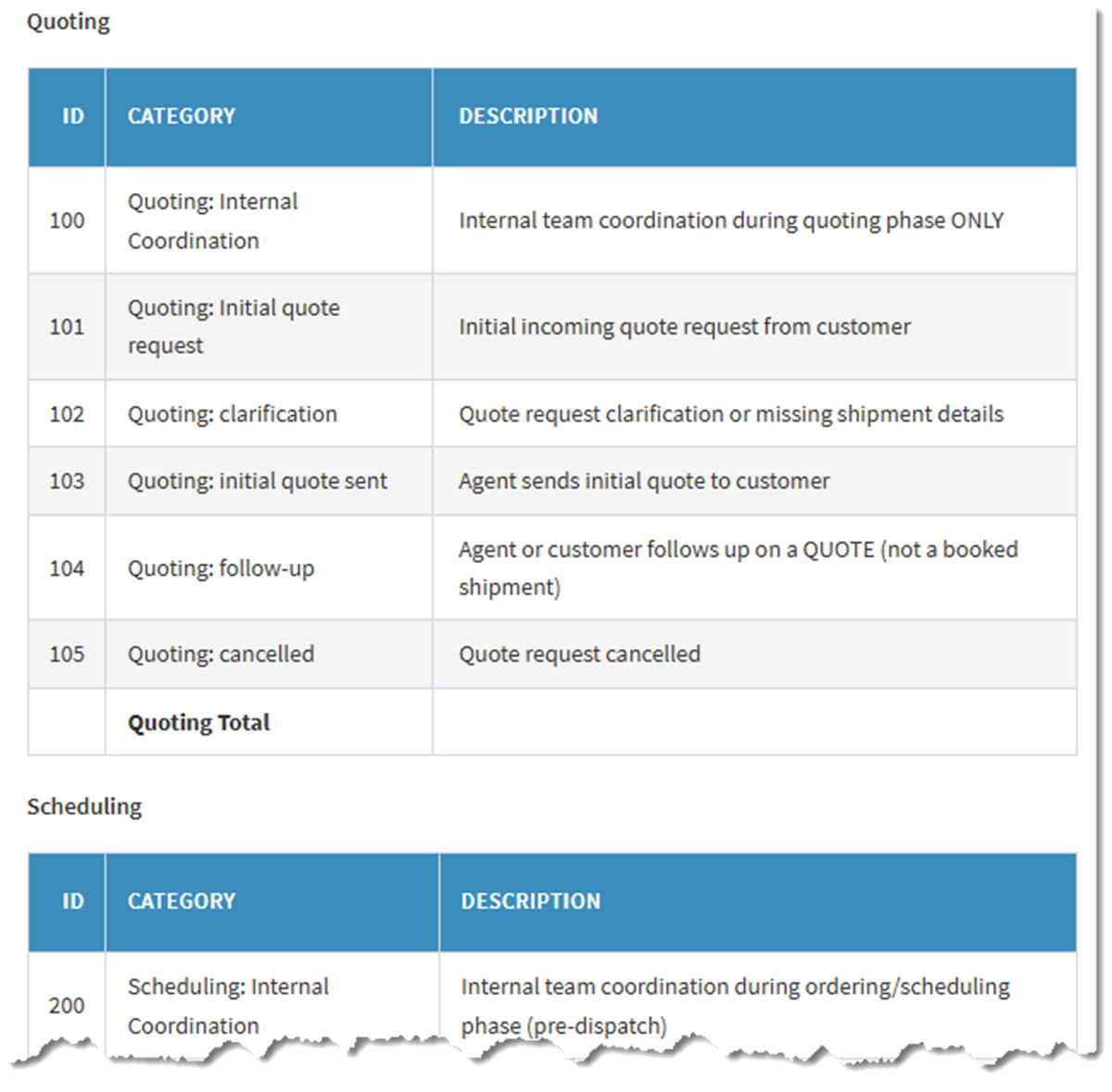
Generic ticketing tools force freight teams into square-peg, round-hole compromises. iService delivers a pre-built taxonomy designed specifically for freight logistics - so every request starts complete and reaches the right operator instantly.

Skip weeks of backend setup. iService comes out of the box with freight-native classifications ready to handle your daily operational volume:

  • Escalations & Exceptions: Track detention, layovers, re-consignments, and OS&D (Out, Short, and Damaged) incidents without losing critical context.
  • Billing & Adjustments: Route rate discrepancies, accessorial charges, and invoice disputes straight to specialized billing teams.
  • Quote-to-Order Processing: Transition high-intent rate requests into active bookings automatically with pre-mapped fields.
  • Claims & Compliance: Isolate high-risk cargo claims and missing documentation (e.g., BOLs, PODs) to protect service level agreements.

Built to evolve with your network

Your logistics operation isn't static, and your software shouldn't be either. As you expand into new modes, onboard strategic accounts, or adjust regional queues, iService allows your team to tweak routing logic and update custom fields on the fly.

Freight topic taxonomy showing quoting and scheduling request types with IDs and descriptions.

iService Content Analysis recommendations for freight inquiry workflows

  • Use case

    Where scheduling, reschedule, and cancellation requests arrived as free-form email, the analysis recommended required-field submit forms. The forms capture identifiers, time windows, constraints, and reason codes. Each request arrives complete rather than opening a clarification thread.

    iService Content Analysis, service email classification runs, December 2025 to March 2026 Reviewed

  • Use case

    Where customers emailed for tracking, status, and documents, the analysis recommended portal access to shipment history and standard document retrieval, with routine inquiries redirected there as the default path.

    iService Content Analysis, service email classification runs, December 2025 to March 2026 Reviewed

  • Use case

    Where status-chasing was reactive, the analysis recommended outbound notices triggered from milestone and exception data, raising an internal ticket when a person still needs to close the loop.

    iService Content Analysis, service email classification runs, December 2025 to March 2026 Reviewed

  • Use case

    Where requests arrived through the wrong channel, the analysis recommended a customer-facing chatbot that answers common tracking and document questions. It collects the required details and routes the request into the correct submission path.

    iService Content Analysis, service email classification runs, December 2025 to March 2026 Reviewed

  • Use case

    Where system-generated alerts landed as ordinary email, the analysis recommended webhook and Zapier integration so external systems open correctly routed work with the event type and severity already attached.

    iService Content Analysis, service email classification runs, December 2025 to March 2026 Reviewed

  • Use case

    Where agents repeated the same multi-step handling, the analysis recommended one-click answer panels for the highest-frequency responses, removing repeated re-keying across systems.

    iService Content Analysis, service email classification runs, December 2025 to March 2026 Reviewed

Get the freight white paper

Read how iService has supported freight and logistics for 15 years, handled more than 50 million interactions, and recorded 99.99% uptime across 13 years of independent monitoring.

Get the freight white paper