

Integration

Connect iService records to internal systems

iService exposes documented interfaces for internal system automation. External automations read and write interactions, contacts, and workflow values. Zapier connects iService to external applications. Documented APIs support automation that uses tailored actions.

An automation hub connecting a service workflow to several external applications

APIs and Zapier for internal systems

Automation teams connect internal systems to iService when a packaged connector does not cover the workflow.

iService gives builders documented APIs and Zapier connections for internal system automation. External automations work with the service records used by the process. Teams connect systems and workflow actions through the documented interfaces.

Many routes running out from a service platform toward the horizon with one lit and carrying work away

Read and write the service records

External automations read and write interactions, contacts, workflow values, tickets, campaigns, and CRM actions.

iService interfaces read and write interactions, contacts, and workflow values for external automations. An interaction starts an external workflow that creates a CRM lead or sends a notification. The batch utility reads CSV rows, matches contacts by login or another unique property, updates contact data, creates queued tickets, and adds contacts to campaigns.

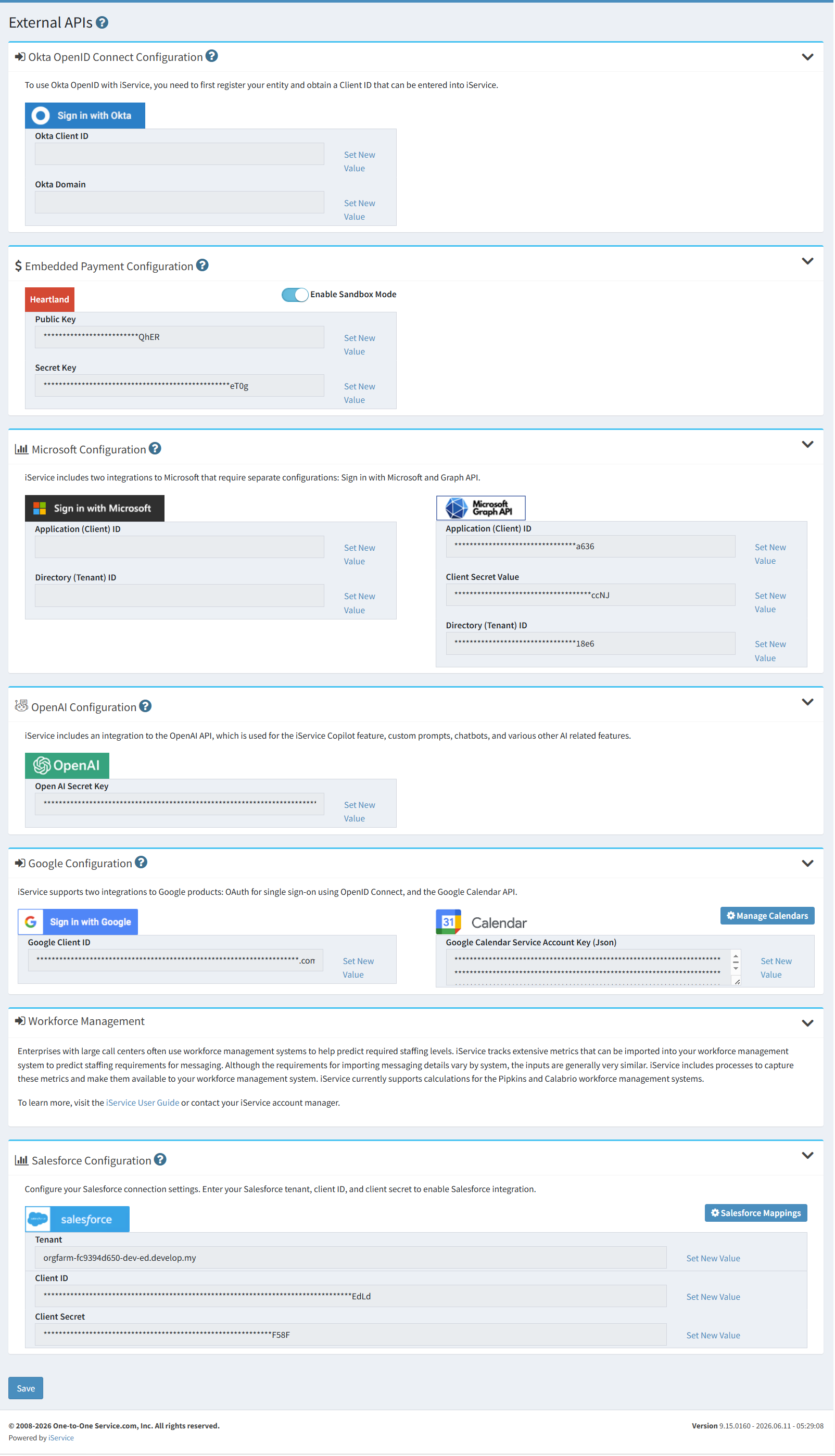
The iService external API configuration calling an outside service

A new interaction starts the next step

A new interaction starts an external contact update, note, ticket, or contributor response workflow.

A new inbound interaction arrives in iService and triggers Zapier to find, create, or update the contact. Zapier creates an iService note or ticket connected to the original interaction. An external contributor reviews a question and attachments, then replies by email. iService connects the answer to the original interaction.

Documented APIs for external automation

External automations use documented interaction and property interfaces for iService records.

iService exposes interactions and properties through documented interfaces. Zapier connects iService to external applications with no-code actions. Documented APIs support automation that uses actions tailored to the internal process.

Zapier and APIs for automation

Automation teams use Zapier for external applications and APIs for tailored actions on service records.

iService gives automation teams two paths: Zapier for external applications and documented APIs for tailored actions. Both paths work with interactions, contacts, and workflow values used by the automation.

Read iService developer docs

iService APIs and Zapier automation read and write interactions, contacts, and workflow values for internal systems.

Open Developer Docs